


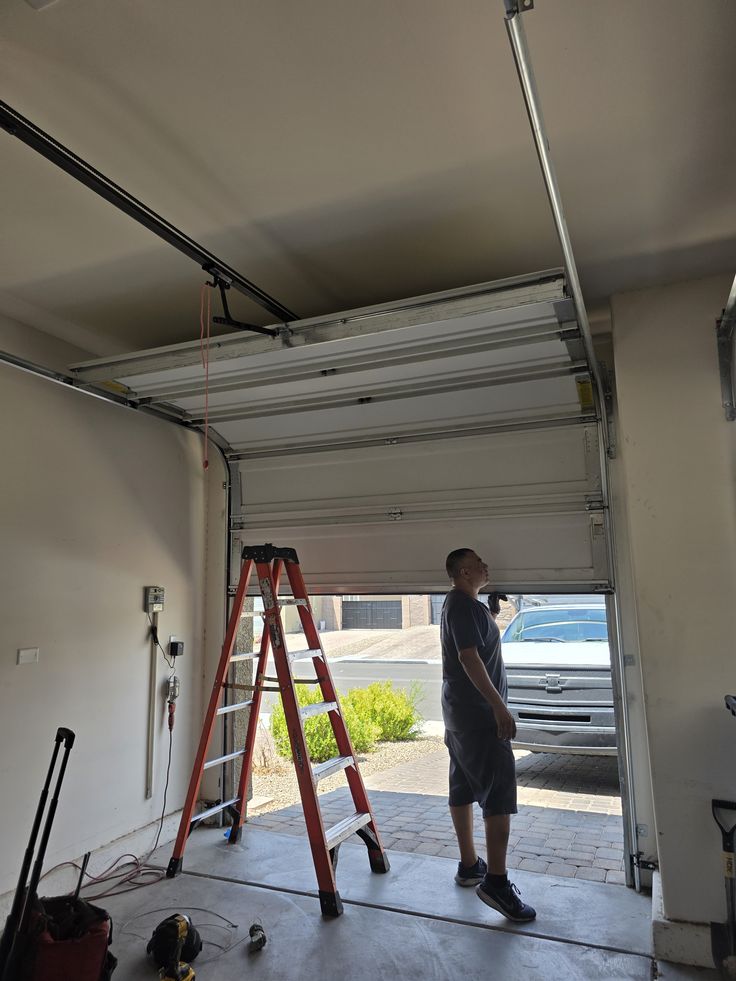
Tips for Resetting the Emergency Release Cord on a New Installation
Introduction
A garage door emergency release cord is a small but essential safety feature that allows homeowners to manually operate their garage door when the automatic opener is not working. Whether there is a power outage, opener malfunction, or mechanical issue, the emergency release system provides a way to disconnect the door from the opener and move it manually.
After a new garage door opener installation, some homeowners may need to reset or reconnect the emergency release cord to ensure it functions correctly. If the cord is not properly positioned or the release mechanism is not reset, the garage door may fail to open automatically or could become disconnected from the opener system.
This guide explains how the emergency garage door service Scottsdale AZ release cord works, why it may need resetting after installation, and important tips for restoring proper operation safely.
Understanding the Garage Door Emergency Release Cord
What Is the Emergency Release Cord?
The emergency release cord is usually a red handle attached to a rope hanging from the garage door opener trolley.
Its purpose is to:
- Disconnect the garage door from the opener
- Allow manual operation during emergencies
- Provide access when the opener loses power
When pulled, the release mechanism separates the door from the motorized opener carriage.
Why Resetting the Emergency Release Cord May Be Necessary
A new garage door installation may require emergency release adjustment because:
- The cord was pulled during installation
- The opener trolley is disconnected
- The door was tested manually
- The release mechanism is not engaged correctly
- The opener and door are not properly connected
A correctly reset emergency release allows the opener to control the door normally.
Signs the Emergency Release Needs Resetting
Homeowners may notice problems such as:
Garage Door Opens Manually but Not Automatically
If the door moves by hand but the opener does nothing, the trolley may still be disconnected.
Opener Motor Runs but Door Does Not Move
The opener may be operating, but it is not connected to the door.
Release Cord Hangs Incorrectly
A loose or unusual cord position may indicate that the mechanism needs to be reset.
Door Feels Disconnected
If the door suddenly feels lighter or moves differently, the emergency release may have been activated.
Tools Needed for Resetting the Emergency Release
Most resets require minimal tools.
You may need:
- Step ladder
- Flashlight
- Owner’s manual
- Work gloves
Always follow the opener manufacturer’s instructions because release mechanisms vary between models.
Step-by-Step Guide to Resetting the Emergency Release Cord
Step 1: Ensure the Garage Door Is Closed
Before resetting the emergency release, close the garage door completely if possible.
A closed door reduces the risk of sudden movement.
If the door is open manually, carefully lower it before reconnecting the opener.
Step 2: Inspect the Trolley Position
Look at the opener rail and locate the trolley.
The trolley is the moving component that connects the opener motor to the garage door arm.
Check whether:
- The trolley is connected
- The carriage is positioned correctly
- The release mechanism is visible
If the trolley is disconnected, it must be re-engaged.
Step 3: Pull the Emergency Release Cord Correctly
The emergency release cord typically has two positions:
- Released position for manual operation
- Connected position for automatic operation
Pulling the cord usually places the trolley into manual mode.
To reset the system, the mechanism must return to the engaged position.
Avoid repeatedly pulling the cord because unnecessary force can damage the release assembly.
Step 4: Reconnect the Trolley
Most garage door openers reconnect automatically when the opener runs.
To reconnect:
- Make sure the garage door is in the correct position.
- Activate the opener using the wall control or remote.
- Allow the trolley to travel along the rail.
- Listen for the trolley clicking back into place.
The click indicates that the opener has reconnected with the door.
Step 5: Test Automatic Operation
After reconnecting:
- Use the remote control
- Open and close the garage door
- Confirm smooth movement
The door should move normally without manual assistance.
Step 6: Test the Emergency Release Again
Once the system is working:
- Pull the emergency release cord.
- Confirm the door disconnects.
- Operate the door manually.
- Reconnect the opener.
Testing ensures the safety feature works when needed.
Common Mistakes When Resetting the Emergency Release
Pulling the Cord Too Hard
The emergency release cord is designed to activate the mechanism, not require excessive force.
Pulling aggressively may damage:
- Rope connection points
- Release lever
- Internal components
Trying to Force the Trolley Into Position
Never push or pull opener components aggressively.
The system should reconnect through normal operation.
Resetting While the Door Is Moving
Always stop the garage door before working with the emergency release.
Moving parts can create safety hazards.
Ignoring Other Garage Door Problems
A disconnected emergency release may not be the only issue.
Other causes may include:
- Broken springs
- Damaged cables
- Sensor problems
- Opener malfunctions
Safety Tips Before Working With the Emergency Release
Disconnect Power When Necessary
For some repairs or inspections, turning off power to the opener may be recommended.
Follow manufacturer instructions before disconnecting electrical components.
Keep Children Away
The emergency release cord should not be treated as a toy.
Children pulling the cord unnecessarily can disconnect the garage door.
Avoid Standing Under an Unsecured Door
If the opener is disconnected, the garage door may move unexpectedly.
Always ensure the door is stable before working around it.
How to Prevent Emergency Release Problems
Perform Regular Inspections
Check:
- Cord condition
- Handle attachment
- Trolley connection
- Opener operation
Keep the Release Area Clear
Avoid storing items where they can:
- Pull the cord
- Block access
- Damage the mechanism
Teach Household Members Proper Use
Everyone using the garage should understand:
- When to use the emergency release
- How to reconnect the opener
- Why unnecessary pulling should be avoided
When to Call a Professional
Contact a garage door technician if:
- The trolley will not reconnect
- The opener runs but the door does not move
- The release mechanism appears damaged
- The door is difficult to lift manually
- The garage door system makes unusual noises
A professional can inspect the complete opener and door system to identify the cause.
Maintenance Tips for a New Garage Door Opener
To keep the emergency release system working properly:
- Test the release function periodically
- Keep moving parts lubricated
- Check opener alignment
- Inspect cables and springs
- Maintain proper door balance
Regular maintenance helps prevent unexpected failures.
Conclusion
The emergency release cord is a simple but critical safety feature on any garage door opener. After a new installation, resetting or reconnecting the release system ensures the opener and garage door work together correctly.
By understanding how the release mechanism operates, following proper reset procedures, and performing regular inspections, homeowners can maintain safe and reliable garage door operation. If the system does not reconnect properly or other mechanical problems appear, professional assistance is the safest way to restore full functionality.
