


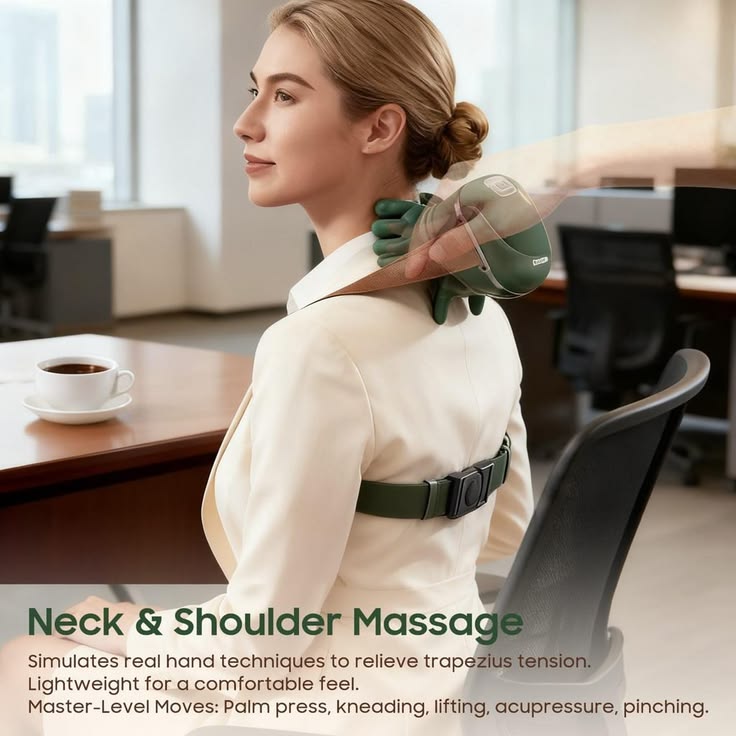
Athletic performance depends not only on strength and endurance, but also on how efficiently the body recovers. The shoulder joint, in particular, is one of the most mobile and frequently stressed areas in sports. Whether it is swimming, tennis, weightlifting, or throwing sports, the rotator cuff and surrounding muscles are constantly engaged, making recovery a critical part of maintaining performance.
Hand-held massagers are increasingly used as part of athletic recovery routines to improve shoulder mobility, reduce post-exercise stiffness, and support faster muscle repair. While they are not a substitute for structured rehabilitation or medical care, they can be an effective tool for managing everyday training strain.
Why Athletes Experience Shoulder Tightness
Shoulder strain in athletes is usually the result of repetitive, high-intensity movement patterns.
1. Repetitive Overhead Motion
Sports like swimming, volleyball, and baseball place continuous load on the shoulder joint.
2. Muscle Imbalance
Stronger front muscles (like the chest) often overpower weaker stabilizers in the upper back and rotator cuff.
3. Micro-Trauma Accumulation
Small muscle fiber stress builds up over time, leading to tightness and reduced range of motion.
4. Insufficient Recovery Time
Training schedules often leave limited time for full muscular recovery.
How Hand-Held Massagers Support Shoulder Recovery
Modern hand-held devices use mechanical pressure and kneading motion to assist muscle recovery.
1. Increasing Blood Circulation
Massage improves local blood flow to fatigued shoulder muscles.
Benefit
- Helps deliver oxygen and nutrients
- Supports removal of metabolic waste
2. Reducing Muscle Tightness
Kneading motion helps relax overactive muscle fibers in the upper back and Hand shoulder massager.
Result
- Improved flexibility
- Reduced stiffness after training
3. Enhancing Range of Motion
Looser muscles allow for smoother joint movement.
Effect
- Better overhead reach
- Improved rotational mobility
4. Supporting Rotator Cuff Function
Relaxing surrounding muscles reduces compensatory stress on stabilizing tendons.
The Science of Targeted Pressure in Athletic Recovery
Hand-held massagers use controlled pressure to influence muscle behavior.
1. Deep Tissue Stimulation
Rotating or oscillating heads penetrate deeper muscle layers.
2. Trigger Point Release
Focused pressure helps reduce localized muscle knots formed during training.
3. Neuromuscular Relaxation
Repeated pressure signals the nervous system to reduce muscle guarding.
Why Heat Enhances Athletic Recovery
Many hand-held massagers include heat functions that improve therapeutic outcomes.
1. Faster Tissue Warm-Up
Heat prepares muscles for deeper mechanical work.
2. Reduced Muscle Resistance
Warm muscles respond more easily to pressure and stretching.
3. Improved Flexibility
Increases elasticity of muscle fibers and connective tissue.
Best Practices for Shoulder Recovery Using Massagers
1. Use After Training Sessions
Applying massage post-workout helps reduce early stiffness.
2. Focus on Surrounding Muscles, Not the Joint
Target:
- Upper trapezius
- Rear deltoids
- Upper back muscles
Avoid direct pressure on painful joints.
3. Keep Intensity Moderate
Athletic muscles respond better to controlled pressure rather than excessive force.
4. Limit Sessions to 10–15 Minutes
Short, focused sessions are more effective for recovery than prolonged use.
How Hand-Held Massagers Compare to Other Recovery Methods
Foam Rolling
- Good for larger muscle groups
- Less precise for shoulder areas
Stretching
- Improves flexibility
- Does not directly address deep knots
Professional Massage
- Highly effective
- Less accessible and time-consuming
Hand-Held Massagers
- Convenient and targeted
- Useful for frequent, consistent recovery
When Massagers Are Most Effective for Athletes
Post-Training Recovery
Reduces immediate muscle tightness after workouts.
Pre-Workout Warm-Up
Light use can help prepare muscles for movement.
Between Training Days
Supports ongoing muscle maintenance and flexibility.
Limitations Athletes Should Understand
Not a Replacement for Rehab
Serious injuries require professional evaluation.
Overuse Risk
Excessive intensity can increase soreness instead of reducing it.
Technique Matters
Incorrect placement reduces effectiveness.
Why Shoulder Mobility Is Critical in Sports Performance
Injury Prevention
Flexible muscles reduce strain on tendons and ligaments.
Power Efficiency
Better range of motion improves movement mechanics.
Reduced Fatigue
Relaxed muscles require less energy during activity.
Final Thoughts
Hand-held massagers can be a valuable addition to an athlete’s recovery toolkit, especially for shoulder mobility and post-training muscle relaxation. By improving circulation, reducing tightness, and supporting neuromuscular recovery, they help maintain performance readiness across demanding training schedules.
While they are not a replacement for structured rehabilitation or professional therapy, their convenience and targeted effectiveness make them a practical option for managing everyday athletic strain. When used correctly and consistently, they contribute to smoother movement, faster recovery, and better overall shoulder function.
